SERVICES · COUNTER-UAS
Drone countermeasures for civil security
Combat-proven counter-drone equipment, and training from operators with combat experience, for the people who protect events, prisons, airports and critical infrastructure.
Wearable kits for teams on the move, smart jammers and vehicle systems, supplied and set up within the rules on who may use them.
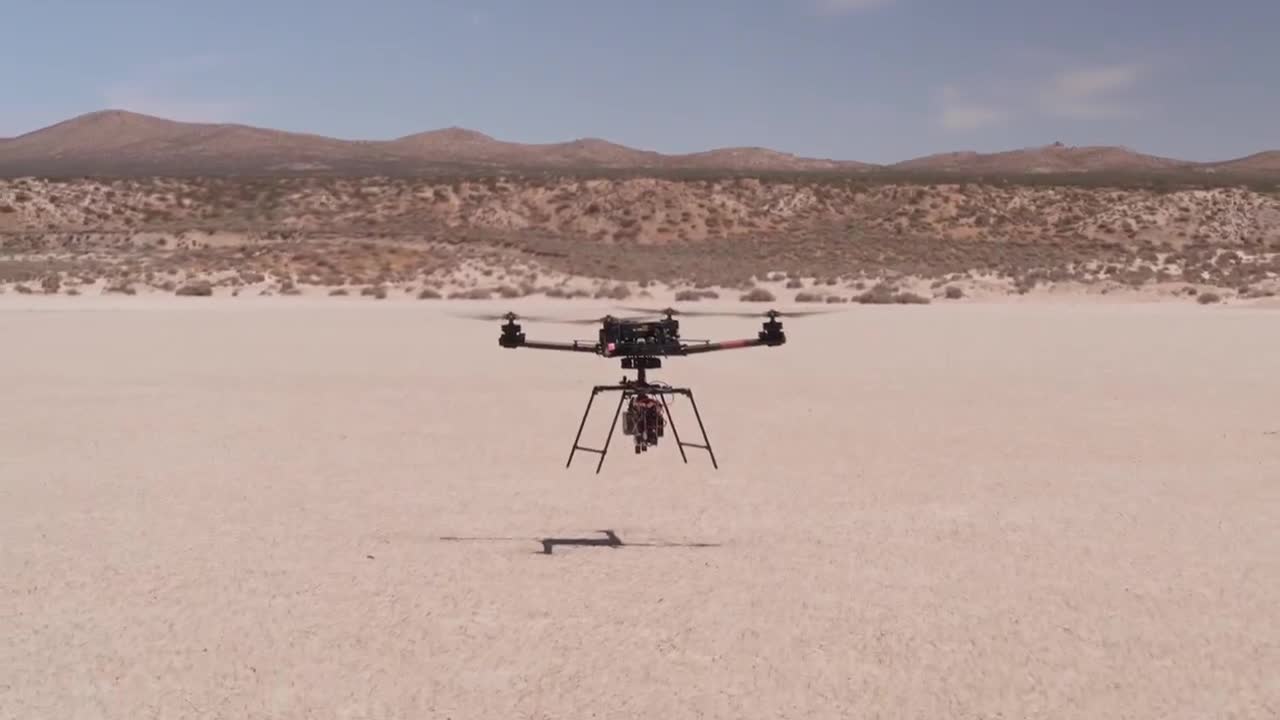
Video: NASA
WHY IT MATTERS
Small drones are a security problem wherever people gather
Off-the-shelf drones are cheap, quick and hard to spot. Tactics refined in recent wars are now within anyone’s reach, and the places most exposed are the ones that can’t simply close.
Stadiums and events
A drone over a crowd can stop a game or a concert, and it can carry more than a camera.
Prisons and jails
Drones drop phones, drugs and other contraband over the wall. Staff need to see them coming and find the pilot.
Airports
A sighting near a runway can halt departures and divert arrivals.
Critical infrastructure
Power, water, ports and refineries face surveillance and disruption from the air.
EQUIPMENT
Proven in combat, set up for civil use
Three families of equipment, chosen for where you operate and what you’re authorized to do. Each arrives configured and documented, with the training to use it.
Wearable counter-UAS kits
Light kits an operator wears or carries: detection that warns of drones nearby and, for authorized users, a directional disruptor to stop one.
WHERE IT FITS
Foot patrols, protective details, event perimeters and teams far from a fixed site.
Smart jammers
Targeted disruption of a drone’s control, video and satellite navigation links, aimed and timed to stop the threat while limiting interference with everyone else on the spectrum.
WHERE IT FITS
Fixed sites such as prisons, stadiums and plants, and temporary perimeters around events.
Vehicle systems
Detection and disruption mounted on a vehicle, so protection moves with a convoy and sets up a perimeter wherever the vehicle stops.
WHERE IT FITS
Motorcades, mobile command posts, border and rural patrols, and coverage for large events.
We supply disruption equipment only to customers authorized to operate it. Everyone else gets detection, planning and training. Who may use what
TRAINING
Trained by operators with combat experience
Our instructors have flown drones and defeated them in combat. They teach what holds up under pressure, adapted to civil rules and civil settings.
Drone operations
For teams that fly their own drones for patrol, search, inspection or overwatch.
- Flying skills, from first hover to wind, night and tight spaces
- Mission planning, airspace and pre-flight checks
- Search, surveillance and inspection flying
- Keeping control when radio links are weak or jammed
- Care, maintenance and readiness
Counter-drone operations
For teams that have to find a hostile drone and deal with it.
- How drones are flown as threats, and how to recognize one
- Detecting, identifying and locating the pilot
- Handling the equipment safely, and the limits of each tool
- Response procedures, escalation and working with police and air traffic control
- Live exercises against real drones
WHO IT’S FOR
- Police and sheriffs’ offices
- Corrections
- Event and venue security
- Critical infrastructure security
- Emergency management
- Protective details
For U.S. agencies, our courses complement the federal training and certification required before a counter-drone operation. They don’t replace it.
LAWFUL USE
Who may use what
Counter-drone equipment is tightly regulated. We supply it only to customers authorized to use it, and we tell you where the lines are before you buy.
Sources: the SAFER SKIES Act, part of the National Defense Authorization Act for Fiscal Year 2026, and the DOJ and DHS interim final rule of July 6, 2026; the FCC’s rules on jamming devices. A summary, not legal advice.
HOW WE WORK
From site survey to live drills
Every engagement starts with the site and the authority you hold, and ends with teams who have practiced.
Assess
We survey the site or event, its airspace and approaches, and the authority you hold, then tell you what will work there.
Equip
We supply the equipment that fits, set it up and fit it into the way your teams already work.
Train
Operators and supervisors learn the equipment they’ll use, then rehearse with live drones.
Support
Maintenance, updates as drones change, and refresher drills, so the skills don’t fade.
Need a record of what your sensors saw? SensorLogiX keeps drone video, tracks and Remote ID in one signed, searchable record.